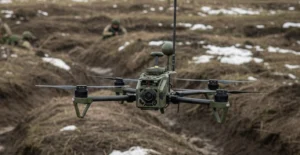
Choosing the right drone for the Armed Forces of Ukraine is a responsible task that requires consideration of operating conditions and the specifics of combat missions. UAVs have become the true eyes of Ukrainian defenders, helping to conduct reconnaissance, monitor the situation on the battlefield, and support comrades even in the most difficult conditions.
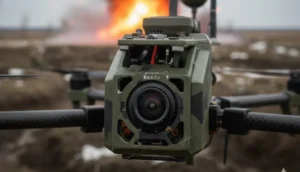
Different units of the Armed Forces of Ukraine have their own requirements for quadcopters. For example, reconnaissance groups need FPV drones with high-quality cameras (resolution of at least 4K), thermal imagers (with an operating range of up to 2 km), and navigation systems to capture even the smallest details.
In turn, assault groups prefer fast and lightweight unmanned aerial vehicle models that can operate in difficult weather conditions and quickly transmit real-time video footage. It is important not to overlook such a factor as the copter’s flight duration, which should be at least 30–40 minutes in order to cover large areas without the need for frequent returns for recharging.
For artillery units, drones with a large operating range (up to 10–15 km) and the ability for long-duration flight (up to 1 hour) are important, as they are used for fire correction and analysis of enemy positions. At the same time, FPV kamikaze drones that perform strike missions often have simpler specifications, such as HD-format cameras, but are capable of carrying a combat payload of up to 1 kg for precise target engagement.
It is also necessary to consider the weight, speed, and payload capacity of drones, as these characteristics play different roles for each group. Some units require ground stations for FPV drones to ensure maximum autonomy and control accuracy, while others are sufficiently served by compact solutions for fast and mobile operations.
The right choice of a drone is not only about saving resources, but also about increasing mission effectiveness and preserving the lives of our defenders.
Where exactly do fighters use UAVs?
Unmanned aerial vehicles have become an important tool in modern strategic missions, helping to perform tasks in a wide variety of conditions. Their use covers both combat operations, where accuracy and speed are critical, and rescue operations that require support and assistance. Let us consider what tasks drones perform in each of these areas and why UAVs have become key tools for the Armed Forces of Ukraine in challenging situations.
Drones for combat operations
Modern FPV drones, quadcopters, and communication drones are widely used to perform tactical tasks that ensure success on the battlefield:
Reconnaissance
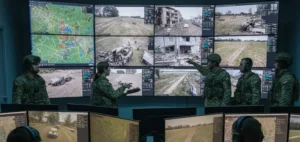
Reconnaissance drones make it possible to detect enemy positions, assess terrain conditions, and identify hidden threats. For example, FPV drones with high-precision cameras can capture data in real time and transmit it to the command post.
Dropping munitions
Quadcopters equipped with dropping mechanisms ensure precise delivery of munitions to enemy positions, inflicting maximum losses with minimal risk to fighters. For this purpose, FPV drones with high payload capacity are most often used.
Engagement of infantry combat positions
Kamikaze drones are designed to strike enemy positions using explosives, making them effective in destroying infantry and equipment. Thanks to GPS and video guidance, this type of drone provides pinpoint attacks with minimal involvement of human resources.
Artillery fire correction
Unmanned aerial vehicles with high-resolution cameras and secure communications capabilities allow aerial reconnaissance operators to correct artillery fire, ensuring strike accuracy. They transmit target coordinates in real time, which significantly increases the effectiveness of artillery support.
Communication drones
In situations where conventional communications are unavailable (in remote or isolated areas), communication UAVs create additional communication channels between units. For example, specialized drones with communication modules or upgraded models with installed repeaters transmit signals over long distances, ensuring the transmission of data, voice communications, or signals even in difficult conditions.
UAVs for rescue operations and transportation
UAVs for rescue operations and transportation are used for the rapid search for casualties, delivery of medical supplies, and provision of logistical support in conditions where access to people is limited or dangerous.
Airspace control over civilian areas
Monitoring drones have sufficiently long flight times (up to 4–6 hours) and help fighters detect potential threats and ensure security in regions with civilian populations. For example, quadcopters are used to monitor airspace in border areas.
Cargo delivery
Drones with high payload capacity transport important resources such as medical supplies, food, or equipment to comrades who are in hard-to-reach locations. Quadcopters with precise dropping mechanisms and reliable navigation are especially effective for such tasks.
Search for people and detection of the wounded
Individual drones equipped with special thermal imaging cameras, high maneuverability, and long flight times (up to 2–3 hours) make it possible to quickly locate wounded or missing people, even in difficult weather conditions or at night. This significantly reduces response time and helps save the lives of our soldiers.
Environmental monitoring
This type of quadcopter is used to detect the environmental consequences of combat operations, such as hazardous substance leaks or pollution. UAVs with high-resolution cameras and specialized sensors collect accurate data for further analysis.
Monitoring of critical infrastructure
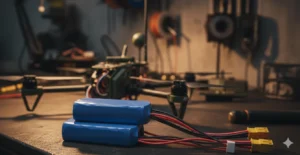
When monitoring the condition of roads, bridges, or energy facilities, reconnaissance drones with longer flight durations and high-quality batteries (4s–6s) are also used, allowing for quick assessment of damage and the implementation of measures for its restoration.
Now you know a little more about the use of these “birds.” Have you already chosen which one best suits your mission?